Tag Archives: bible

Oh, LORD! I Need a Blessing

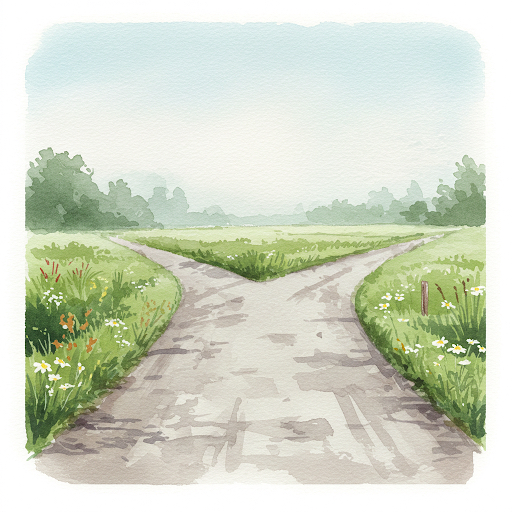
Have you ever stood at a crossroads in your life, that pivotal point where one path splits and a choice between two beckons? Perhaps it’s a shift in family dynamics, a new calling, a career change, or even navigating health challenges that demand a personalized approach. In these moments, our hearts often whisper, sometimes even cry out, “Oh, LORD! I need a blessing.”

Recently, as I pondered my own next stage, weighing the potential joys and challenges that lie ahead in my continued work as a senior advocate at a Medicare-approved health plan, the LORD drew my attention to a powerful, yet often overlooked, moment in scripture: the story of Caleb and Achsah, his daughter, in the first chapter of the Book of Judges.

The story involves Caleb, Joshua’s right-hand man, an aging man of unwavering faith and courage, who had promised his daughter Achsah in marriage to whomever could conquer the strongly held Canaanite city of Debir. Othniel rose to the challenge and won her hand (Judges 1: 12-15).

Now, here’s where the story takes a very interesting turn, bringing our focus right to Achsah. It’s as if we’re standing there with her at her own important crossroads, watching as she takes a significant step forward. When she came to her father, she asked for a blessing – and not just any blessing, but a really practical one: ‘You’ve given me land in the South,’ she said, ‘but could you also give me some springs of water?’ (v. 15). And Caleb, being the loving and wise father he was, granted her request, giving her both the upper and lower springs.

My sisters, in Christ, take a closer look, Achsah’s request beautifully illustrates the initial steps we can take when facing a life choice, steps rooted in practicality, commitment, and wisdom, all the while seeking our Heavenly Father’s blessing. Let’s break these down into small, doable steps, just as we navigate our daily lives:

Step 1: Ground Yourself in Practicality

Just as Achsah recognized the aridness of the Negev and the vital need for water, our first step involves a clear-eyed assessment of our current reality and the practical implications of the choices before us.

* What are the tangible aspects of this decision? Consider the resources involved – time, energy, finances, support systems.

* What are the potential practical challenges and benefits? Be honest with yourself about the pros and cons. What might make this new path easier or more difficult in your daily life?

* In my own recent reflections, I had to be practical about my physical energy. While my heart was willing to embrace increasing and new opportunities, my body reminded me of its limitations as I neared my 75th year. Acknowledging this practicality wasn’t a sign of weakness, but of wisdom.

Step 2: Embrace the Commitment

Through Achsah’s thoughtful and practical approach, we see the importance of the long-term commitment she was willing to embrace. This mirrors the broader truth that making a significant life choice requires each of us to invest ourselves fully, determined to see it through, even when challenges inevitably arise.

* What level of commitment does this choice require? Are you prepared to dedicate the necessary time and effort?

* What are your motivations? Are they rooted in a genuine calling or a fleeting desire? True commitment stems from a deep-seated purpose.

* For me, committing to advocating for senior’s health care and alternative medicine requires acknowledging that there will be days when my physical strength wanes. My commitment lies in finding sustainable ways to contribute in a meaningful way by leveraging my cognitive and emotional resilience.

Step 3: Seek Wisdom and Discernment

Achsah sought her father’s blessing, recognizing his wisdom and authority. As daughters of our Heavenly Father, we too should seek His guidance and discernment.

* Pray for wisdom: Ask God to grant you clarity and understanding as you weigh your options. James 1:5 reminds us, “If any of you lacks wisdom, you should ask God, who gives generously to all without finding fault, and it will be given to you.”

* Seek godly counsel: Talk to trusted mentors, pastors, or wise friends who can offer a biblical perspective and sound advice.

* Listen for God’s still, small voice: Be attentive to the promptings of the Holy Spirit in your heart. Keep the Word of God before you.

Step 4: Ask for God’s Blessing – The Land of Springs

Achsah didn’t just ask for land; she specifically asked for the land with springs of water – a source of life, nourishment, and sustenance. When we seek God’s blessing on our choices, we’re not just asking for His approval, but for His provision, His guidance, and His life-giving presence to flow through our journey.

* Present your choices to God in prayer: Be specific about your hopes, your fears, and your need for His guidance and blessing.

* Trust in His provision: Just as Caleb provided for Achsah, our Heavenly Father promises to provide for those who seek Him and align their lives with His will.

* Look for the “springs of water” – the sources of life and strength He provides along the way. This might be unexpected support, moments of clarity, or a deep sense of peace.

My dear sisters, stepping into a new season of life can feel daunting, but it’s also filled with potential and purpose. By grounding ourselves in practicality, embracing commitment, seeking wisdom, and most importantly, asking for our Heavenly Father’s blessing – the land of springs – we can move forward with confidence and hope, knowing that He walks alongside us, providing everything we need for the journey ahead.

What life choice are you facing today? Take a moment to bring it before the Lord. Ask for His blessing, and trust that He will guide you to the land of springs, of refreshment, and fullness of life. 

Leave a comment

Filed under Change and Transformatiom

Oh, LORD! There’re Weeds in My Garden

Recently, my focus turned to my spring garden. With packets of seeds in my hand and a hand shovel, I envisioned delicate daisies, vibrant wildflowers, and perfectly unfurled ferns. Some days, I would lose myself in the intricate details of each emerging petal. Then came the shock. What I believed was a budding spring flower was nothing more than a worthless weed in disguise! Disbelief washed over me as I shook my head. “Where did you even come from?” I murmured. In that moment, the Holy Spirit spoke, His voice gentle yet powerful. “Just like your heart, daughter,” He whispered, “it happens the same way.” The “it”? Those subtle distractions that pull me away. Things that somehow take root in my heart, keeping me from a closer walk with Jesus.

Haven’t we all experienced this? We diligently tend the garden of our hearts. We plant seeds of faith, hope, and love. Our vision is a flourishing space, alive with the fruits of the Spirit. But then, we spot them. The unwelcome intruders. The persistent weeds that seem to sprout despite our best efforts. These are not the beautiful blooms we anticipated. Instead, they manifest as anxieties and worries. They appear as persistent temptations and ingrained habits that stifle our growth. It’s the inner critic whispering negativity. It’s the external pressures pulling us from God’s intended path.

Consider the parable of the wheat and the tares in Matthew 13. It vividly illustrates how the enemy often sows seeds of doubt, discord, and difficulty, even in the most fertile ground. And while Matthew 16 doesn’t explicitly mention weeds, the context of Peter’s struggle to grasp Jesus’s impending suffering reveals a crucial truth. Even those closest to God, individuals with the purest intentions, can be susceptible to worldly thinking. This thinking can choke out spiritual understanding. Peter, in his human desire to redirect Jesus, inadvertently became a voice of opposition, a “stumbling block” (Matthew 16:23)—an uninvited weed in God’s divine plan.

This truth resonates deeply within our own journeys. We strive for spiritual maturity. Yet, we so often find ourselves battling internal “weeds.” Sproutings of pride, insecurity, worry, or fear. We also encounter external “weeds.” These might take the form of challenging relationships, difficult circumstances, or the alluring pull of worldly distractions. These weeds can feel overwhelming. They threaten to suffocate the very life of our spiritual growth.

But take heart, my dear companions in Christ. The presence of weeds does not signify a lost garden. Instead, it signifies our active participation, through God’s Holy Spirit, in His ongoing work of cultivation. The Apostle Paul, a man intimately acquainted with relentless trials and inner struggles, declared with unwavering conviction: “For I am sure that neither death nor life, nor angels nor rulers, nor things present nor things to come, nor powers, nor height nor depth, nor anything else in all creation, will be able to separate us from the love of God in Christ Jesus our Lord” (Romans 8:38-39, ESV). This powerful truth reminds us that even amidst the weeds, God’s unwavering love remains. It is our constant source of strength and hope. His love provides security, safety, connection, and purpose. 

So, how do we deal with these persistent weeds? One vital tool in our spiritual gardening kit is the power of prayer, especially when it intertwines with praise. Praise is more than mere gratitude for blessings received. It is an active acknowledgment of God’s sovereignty. It recognizes His goodness and His unfailing love, even amidst our struggles. When we begin our prayers with heartfelt praise, our focus shifts. It moves from the weeds to the Gardener. We acknowledge His power to work in and through our challenges.

Praising God in the face of difficulty is like spraying (very carefully) the homemade mixture of vinegar, soap, and salt on those unwanted weeds. It exposes their powerlessness against His glory, effectively killing their roots. Simultaneously, it strengthens our faith. It reminds us that He is far bigger than any obstacle we face. This cultivates an attitude of dependence on Him, preventing us from being consumed by the problem itself. As we consistently offer praise, our prayers transform. They become more than just requests. They become powerful declarations of faith, aligning our hearts with God’s will and inviting His transformative power into our lives.

So what about those weeds that grow without permission? My sisters, do not be discouraged by the weeds in your garden. They serve as a reminder that growth is a process, not a destination. Embrace the ongoing work of tending your hearts with prayer. Let it be deeply rooted in unwavering praise. Remember the steadfast love of God that surrounds you. No weed, no struggle, can ever sever that bond. Continue to cultivate your faith. Know that with God’s help, your garden will not only survive but flourish. It will bear abundant blossoms and fruit for His glory. Keep digging, keep praying, keep praising. Watch as the Master Gardener transforms your challenges into a channel for deeper growth and unwavering faith.

Leave a comment

Filed under Change and Transformatiom